
Career opportunities and future scope for an Online MBA in HR from DY Patil
Introduction
HR has changed a lot. It's no longer just hiring and payroll. Today's HR teams shape company culture. They drive employee engagement. They use data to guide big decisions.
An Online MBA in HR from DY Patil suits working professionals well. You can grow your career while you study. The programme covers core management topics. It also covers HR skills like talent acquisition, organisational behaviour, compensation, and labour law. This guide covers the career paths and future scope ahead.
Career Opportunities After an Online MBA HR degree
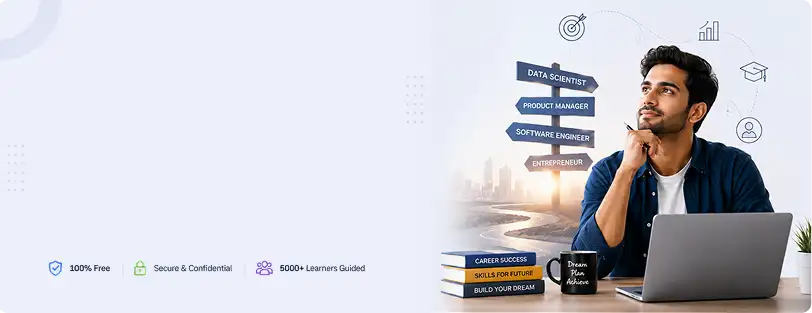
An MBA in HR opens doors across industries. It's not just for HR departments. Every company needs people who can manage talent well. Factories need this. So do IT firms. Good HR people solve workplace issues fast. They build strong teams too. That's the real reason people pick this path. HR isn't a background job anymore. It sits close to daily business decisions. Graduates shape hiring quality and culture directly. Their choices affect how teams perform. This makes HR a stable and varied career.
Graduates typically find opportunities in:
IT and technology companies building large recruitment and retention functions
Manufacturing and core sector firms managing large, unionised workforces
Banking, financial services, and insurance (BFSI) companies with structured HR hierarchies
Startups that need generalist HR professionals to build policies from scratch
Consulting firms offering HR advisory and organisational design services
Government and public sector undertakings with formal HR cadres
Here's something I've noticed while guiding students. People drawn to HR often love working with people. Numbers matter less to them. This instinct helps them a lot. HR careers reward good communication. Strong judgement matters just as much as technical skill.
Skills Employers Look For
Recruiters look for a mix of skills. These include:
Employee relations and conflict resolution
Knowledge of labour laws and statutory compliance
HR analytics and familiarity with HRMS platforms
Talent acquisition and workforce planning
Performance management systems
Negotiation and stakeholder communication
Top Job Roles and Career Paths After an Online MBA in HR
This specialisation supports many career tracks. Your path depends on your interests. Your experience matters too.
Entry to Mid-Level Roles
HR Executive / HR Generalist – handles recruitment, onboarding, and day-to-day employee queries
Talent Acquisition Specialist – manages sourcing, screening, and hiring pipelines
HR Business Partner (Associate level) – works closely with a business unit on people strategy
Compensation and Benefits Analyst – structures pay bands, incentives, and benefits programmes
Learning and Development Coordinator – designs training modules and tracks employee skill growth
Senior and Leadership Roles
Add a few years of experience to your MBA. New roles open up, such as:
HR Manager or Senior HR Manager
Talent Acquisition Manager
Organisational Development Consultant
HR Business Partner (senior level)
Head of HR / Chief Human Resources Officer (CHRO), typically after a decade or more
HR careers rarely move in a straight line. Some people shift into training roles. Others focus on pay and benefits. Many move into HR consulting later on. That's a good thing. It keeps the field fresh.
Reasons to Choose an Online MBA in HR
Working professionals like the online format. Here's why.
Flexibility without career interruption. Classes fit around your job. You don't need to quit or take a break.
Lower overall cost. Online MBAs cost less than full-time ones. The course content stays strong too.
Recognised qualification. DY Patil's online MBA follows UGC-entitled norms. It holds the same value as an on-campus MBA. This helps with jobs and further studies.
Two fields combined. You learn finance, marketing, and strategy. You also learn focused HR skills. This makes you a versatile candidate, not a narrow one.
Networking through digital platforms. Live sessions and forums help you connect. Virtual events add more value too. They bring back some of that on-campus feel.
I've spoken with many students on this path. Many apply HR ideas at work while they study. They say this helps the lessons stick fast. This is a real edge for working professionals. Full-time students don't get this chance as easily.
Future Scope and Growth of Human Resource Management in India
HR keeps growing across Indian industry. A few shifts explain why. Companies are hiring at scale. They manage hybrid teams too. All this needs skilled people at the centre. This isn't just an IT trend either. You see it in manufacturing, retail, and finance too. This growth points to a bright future for HR careers.
Formalisation of the workforce. More firms now follow proper, compliance-led hiring rules. This raises demand for HR staff who know labour codes well.
Focus on employee experience. Companies now treat retention as a top goal. This has grown roles in engagement, wellness, and internal communication.
Growth of the startup ecosystem. India's startups keep growing fast. They need HR people who can build policies from scratch. Early HR hires often do many jobs at once.
HR as a strategic function. HR isn't just admin work anymore. Many firms now bring HR leaders into big strategy talks. Workforce planning is a key part of this.
Industry reports show steady growth in India's HR tech sector. Digital change across IT, retail, and finance drives this. This raises demand for people who understand both HR and technology.
How AI and Technology Are Changing HR Careers
Technology is changing how HR teams work. This matters before you pick a specialisation. Some tasks once took days to finish. Now software does them in minutes. Think resume screening or leave queries. This doesn't shrink the HR role, though. It shifts what HR teams focus on instead. New HR professionals work with these tools. They don't compete against them. This is why digital skills matter more now.
Recruitment automation. AI tools now screen resumes fast. HR teams can then focus on interviews and final choices.
HR analytics and dashboards. Data on attrition and performance flows through dashboards now. Basic data skills help HR staff a lot.
Chatbots for employee queries. AI chatbots answer routine questions on leave and payroll. This frees up HR staff for harder problems.
Predictive workforce planning. Some firms use models to predict attrition risk. This helps them plan hiring well in advance.
None of this replaces human judgement, though. Solving conflicts still needs a real person. Reading team dynamics does too. Fair calls in tricky moments need human insight. Still, HR professionals need basic tech skills today. Most large firms run part of their HR work online now.
Conclusion
An Online MBA in Human Resources from DY Patil builds strong management skills. It also builds focused HR expertise. Graduates can grow from HR generalist to HR leader over time. This field keeps expanding fast. Indian firms lean more on HR tech and data each year. Career paths stay varied too, from recruitment to strategy.
If this path interests you, the CourseConnect counselling team can help. They'll walk you through programme details, eligibility, and university options.
FAQs
Is an online MBA in Human Resources from DY Patil valid for jobs in India?
Yes. It follows UGC-entitled online education norms. It holds the same value as a regular MBA for jobs and further study in India.
Can I pursue an online MBA in HR from DY Patil while working full-time?
Yes. That's the main benefit of this format. Classes and exams fit around your work schedule.
Is a Human Resource Management MBA online from DY Patil worth it?
Yes. It combines management basics with focused HR training, so you graduate more versatile, not narrowly skilled.
Is an Online MBA HR degree from DY Patil a good career choice?
Yes. HR now includes culture, retention, and strategy, not just hiring. Career paths stay varied, from talent acquisition to HR leadership.
Will HR be replaced by AI if I do an online MBA HR curriculum from DY Patil?
No. AI handles routine tasks like screening and chatbots. Judgment-based work like conflict resolution still needs people.
Talk to our Career Companion